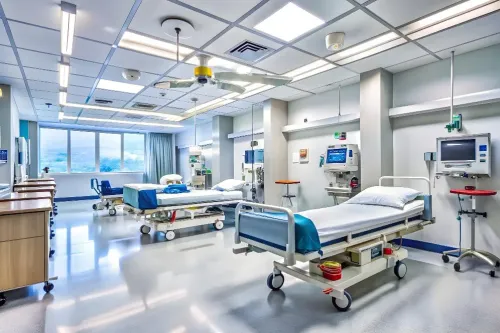
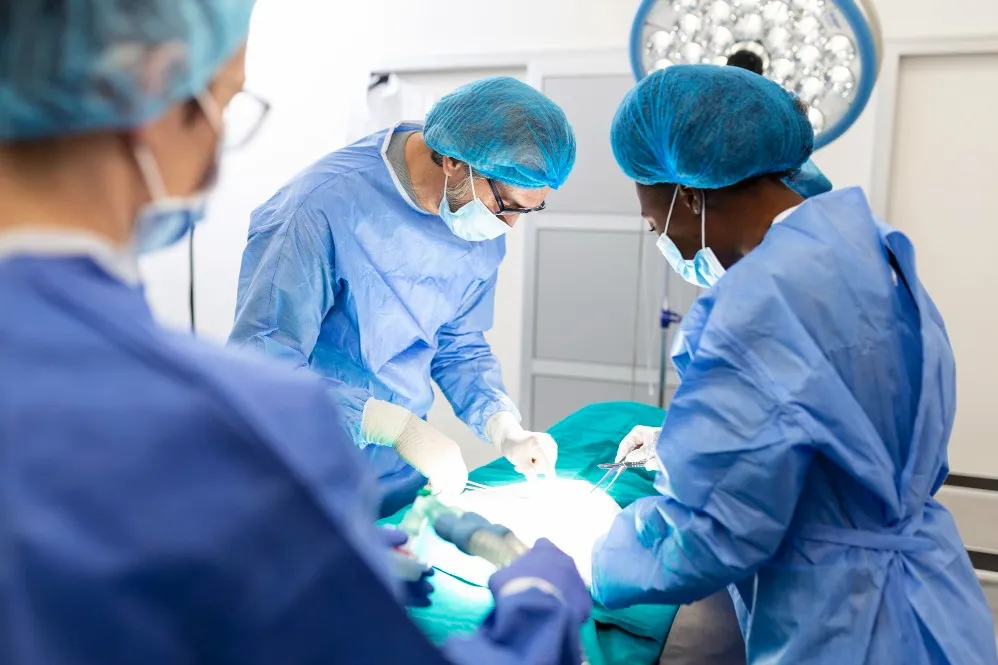
A medical emergency can develop at home, in the workplace, during travel or while someone is already receiving treatment for an illness. The first challenge for families is often deciding whether the condition can wait for a regular consultation.
The best nearby hospital for emergency care should be able to assess the patient promptly, begin stabilisation and arrange specialist treatment when required. Recognising serious warning signs can help families avoid potentially dangerous delays.
Symptoms That Need Immediate Hospital Attention
Proceed to an emergency department when a person experiences:
- Severe chest pain or pressure
- Sudden difficulty breathing
- Loss of consciousness
- Seizures
- Heavy bleeding that does not stop
- Sudden weakness on one side of the body
- Facial drooping or difficulty speaking
- A serious head injury
- A major fracture or visible deformity
- Severe burns
- Suspected poisoning
- A severe allergic reaction
- Confusion accompanied by high fever
- Repeated vomiting with marked weakness
- Very low blood sugar with altered behaviour
- Severe abdominal pain with fainting or sweating
Symptoms such as chest pain, breathing difficulty, loss of consciousness and sudden neurological changes can be time-sensitive. Waiting for the condition to settle without medical assessment may increase the risk of complications.
What Happens After Reaching Emergency Care
Emergency departments commonly follow a triage process. Patients are prioritised according to the seriousness of their condition rather than their order of arrival.
A patient with breathing difficulty, severe bleeding or unconsciousness may be assessed before someone with a stable minor injury. The emergency team may check:
- Airway and breathing
- Heart rate and blood pressure
- Oxygen level
- Level of consciousness
- Blood sugar
- Body temperature
- Signs of injury, infection or bleeding
Initial treatment may begin before the complete diagnosis is confirmed. Depending on the condition, the patient may need oxygen support, intravenous fluids, medication, wound care, an ECG, blood tests or medical imaging.
Steps Families Can Take During an Emergency
Keep the patient calm and minimise unnecessary movement. Do not give food or drink to someone who is unconscious, confused or likely to require an urgent procedure.
Avoid attempting to straighten a visibly injured limb. If poisoning is suspected, carry the container or product information when it is safe to do so. Do not try to induce vomiting without medical direction.
A family member should bring available medical reports and information about:
- Current medicines
- Drug allergies
- Existing medical conditions
- Previous surgeries
- Pregnancy
- Blood-thinning medication
- Recent hospital treatment
Accurate information can help the emergency team make faster clinical decisions.
Emergency Preparedness in Malad West
Families in Malad West and nearby areas of Mumbai can prepare by saving important phone numbers on every household member’s device. Older adults and patients with diabetes, heart disease, epilepsy or severe allergies should keep an updated medicine list easily accessible.
Altiuz Multispeciality Hospital serves patients requiring hospital-based evaluation in Malad West. A multispeciality setting can support coordination when emergency symptoms involve cardiac, orthopaedic, neurological, respiratory or metabolic concerns.
In a genuine emergency, identifying the exact diagnosis at home is less important than reaching suitable medical care. Prompt assessment gives the hospital team an earlier opportunity to stabilise the patient, investigate the cause and determine the next stage of treatment.
Keywords