
Some symptoms signal a threat to breathing, circulation, brain function or blood loss, and waiting for them to pass can cost critical treatment time. You will learn which warning signs require 112 or an ambulance, what to do while help is coming, and which details to record for the hospital team.
Key takeaways
- Call 112 for unresponsiveness, severe breathing trouble, major trauma, or uncontrolled bleeding.
- Treat sudden chest pain, stroke signs, seizures, and fainting as emergencies.
- Seek urgent care for dangerous symptoms during pregnancy or after delivery.
- Choose hospital assessment when infection worsens rapidly or severe pain develops suddenly.
Recognise the symptoms that need emergency help now
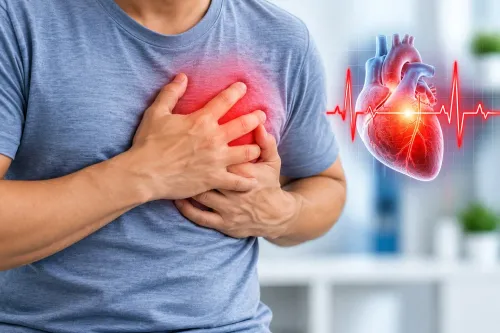
Stop monitoring at home and seek immediate hospital attention for sudden chest pressure or pain, severe shortness of breath, stroke warning signs, fainting, a seizure, unresponsiveness, uncontrolled bleeding, poisoning, major trauma, or sudden severe abdominal pain. Do not wait to see whether the symptom settles.
Use the FAST stroke check: Face drooping, Arm weakness or numbness, Speech difficulty, and Time to call emergency help. Record when symptoms began or when the person was last known well; even symptoms that disappear can signal a transient ischemic attack.
| Warning sign | Clues that require urgent action | What makes it dangerous |
|---|---|---|
| Chest emergency | Pressure, squeezing, fullness or pain lasting several minutes or returning, with sweating, nausea, breathlessness, weakness, or pain in the arm, jaw, back or shoulder | Heart attacks can be less typical in women, older adults and people with diabetes |
| Breathing emergency | Blue or grey lips, choking, inability to speak full sentences, rapidly worsening breathing, or asthma not relieved by the reliever inhaler | Oxygen levels can fall quickly |
| Severe allergic reaction | Sudden swelling of the lips, tongue or throat, wheezing, faintness or collapse after food, medicine or an insect sting | Use an adrenaline auto-injector immediately if available; hospital observation remains necessary |
| Neurological or consciousness emergency | New confusion, severe imbalance, sudden vision loss, abnormal or very slow breathing, or suspected opioid overdose | Naloxone, if available, can wear off before the opioid; emergency monitoring is still required |
Call 112 instead of driving when the person is unstable
Do not drive when the person is unconscious, has abnormal breathing, severe breathlessness, active seizures, uncontrolled bleeding, signs of stroke, or is rapidly deteriorating. Call India’s 112 emergency number or a local ambulance; crews can begin treatment and alert the hospital while you travel.
1. Put the phone on speaker, give the exact location, and describe the person’s symptoms, age, known conditions and medicines. For stroke signs, report when symptoms began or when the person was last known well.
2. Check responsiveness and breathing. If the person is not breathing normally, follow the dispatcher’s instructions for CPR. If they are unconscious but breathing, place them in the recovery position and keep watching their breathing.
3. Keep the airway clear. Do not give food, drink or tablets to someone who is unconscious, confused, actively seizing or unable to swallow safely. If opioid overdose is possible, give naloxone if available and start rescue breathing or CPR as instructed; naloxone can wear off before the opioid.
4. For anaphylaxis after food, medicine or an insect sting, use an adrenaline auto-injector immediately if available, call 112, and use a second injector after five minutes if symptoms have not improved. Hospital observation remains necessary even after recovery.
5. Do not leave the person alone. Unlock the door, gather medicines and identification, and note any change in breathing, consciousness or bleeding for the ambulance crew.
Emergency warning signs in children, pregnancy and after delivery
A child, pregnant person, or someone who has recently given birth needs immediate assessment for breathing difficulty, collapse, seizure, severe pain, or rapidly worsening illness. Do not wait for a routine appointment because these signs can indicate a blocked airway, serious infection, internal bleeding, or loss of oxygen.
| Situation | Go to hospital immediately for | Why delay is dangerous |
|---|---|---|
| Children | Blue or grey lips in children, severe breathing difficulty, a child seizure, unresponsiveness, repeated vomiting, dehydration with very little urine, or a non-blanching rash with fever | Oxygen failure, meningitis, sepsis, or dangerous fluid loss can worsen quickly |
| Pregnancy | Heavy vaginal bleeding, severe or one-sided abdominal pain, shoulder-tip pain, dizziness or fainting, severe breathlessness, chest pain, or a severe headache with vision changes | These symptoms can signal ectopic pregnancy, internal bleeding, pre-eclampsia, or a serious heart or lung problem |
| After delivery | Heavy vaginal bleeding, fainting, severe abdominal or pelvic pain, fever with shivering, foul-smelling discharge, severe headache with vision changes, breathlessness, chest pain, or a painful swollen leg | Postpartum haemorrhage, infection, blood clots, and pre-eclampsia can become life-threatening |
Keep the child or patient with an adult and seek emergency help if symptoms are severe or worsening. A pregnant person with one-sided pain, shoulder-tip pain, or faintness needs urgent care even when bleeding is light, because ectopic pregnancy is not ruled out by an apparently normal early pregnancy.
Bleeding, severe pain, injury and sudden loss of blood flow
Vomiting blood, black tarry stools, heavy genital bleeding, or sudden severe pain cannot wait for a routine appointment. Go to an emergency department, especially if you feel faint, dizzy, clammy, unusually weak, or short of breath.
| Warning sign | What it may indicate | What to do |
|---|---|---|
| Vomiting blood, coffee-ground material, or a large amount of bloody stool | Significant internal blood loss | Seek emergency care immediately, especially with severe abdominal pain, fainting, rapid breathing, or clammy skin |
| Rigid or very tender abdomen, swelling, persistent vomiting, or inability to pass stool and gas | A dangerous abdominal condition or obstruction | Get urgent assessment; modest pain does not exclude danger, particularly in older adults or people with diabetes |
| Thunderclap headache, or headache with weakness, confusion, seizure, fainting, fever, stiff neck, or new visual trouble | Brain bleeding, stroke, or serious infection | Go to hospital now |
| After head injury: loss of consciousness, repeated vomiting, increasing drowsiness, worsening headache, unequal pupils, seizure, numbness, weakness, or blood or fluid from the nose or ears | Head-injury red flags, including intracranial bleeding | Call emergency help; use a low threshold if taking anticoagulants or antiplatelet drugs |
| Heavy vaginal bleeding, one-sided abdominal pain, shoulder-tip pain, dizziness, or fainting during pregnancy or soon after delivery | Ectopic pregnancy or internal bleeding | Seek immediate emergency care |
| A painful, pale or blue, cold, numb or weak limb, or absent pulse | Sudden loss of arterial blood flow | Get emergency treatment; do not massage it or apply heat |
Sudden severe pain after major injury also needs immediate assessment. Do not drive someone who is faint, confused, severely bleeding, or deteriorating.
Sepsis and other rapidly worsening emergencies: choosing the right level of care
Suspected infection plus confusion, slurred speech, extreme breathlessness, very fast breathing, mottled or clammy skin, vomiting that prevents fluids, or reduced urine output is an emergency. These are sepsis warning signs; sepsis can occur without a high fever, so a normal temperature does not rule it out.
Call 112 or a local ambulance for severe breathing difficulty, blue or grey lips, collapse, seizure, rapidly worsening confusion, or inability to speak in full sentences. Do not keep repeating an asthma reliever while delaying assessment, and use an adrenaline auto-injector immediately for suspected anaphylaxis.
Give the hospital team:
- The exact time symptoms began, or when the person was last known to be well.
- The suspected infection, recent surgery, injury, childbirth, sting, medicine, or food exposure.
- Breathing rate if counted, temperature, urine changes, vomiting, and how quickly the person worsened.
- Medical conditions, pregnancy status, allergies, regular medicines, and the time of the last dose.
- Treatments already given, including inhalers, antibiotics, adrenaline, fluids, or pain medicines.
| Level of care | What it means | When it applies |
|---|---|---|
| Call 112 or local ambulance | Transport with monitoring | Unconsciousness, severe breathlessness, blue skin, collapse, seizure, or rapidly worsening confusion |
| Emergency department now | Immediate assessment on arrival | Suspected sepsis, reduced urine output, mottled or clammy skin, or persistent vomiting |
| Same-day medical assessment | Prompt review without waiting for a routine appointment | Worsening infection symptoms without the emergency signs above; escalate if any red flag appears |
Whether you reach ALTIUZ HOSPITAL or another emergency department, bring the medicine packets and a written symptom timeline.
Related services
CARDIAC/HEART HEALTH Cardiac (Heart) Health refers to the overall well-being and proper functioning of the heart and blood vessels — a vital part of your cardiovascular... View service → |
DIAGNOSTICS DIAGNOSTICS Symptoms you're experiencing (and want help identifying possible conditions)? Lab test results you want interpreted? Diagnostic tools or methods... |
Frequently asked questions
Which symptoms require immediate hospital attention?
Seek immediate help for sudden chest pressure or pain, severe shortness of breath, stroke warning signs, fainting, seizures, unresponsiveness, uncontrolled bleeding, poisoning, major trauma, or sudden severe abdominal pain.
When should you call 112 instead of driving?
Call 112 when the person is unresponsive, having severe breathing difficulty, experiencing a seizure, bleeding uncontrollably, or too unstable to travel safely by car.
Which emergency warning signs matter during pregnancy or after delivery?
Seek immediate care for severe bleeding, severe abdominal or chest pain, breathing difficulty, fainting, seizures, or rapidly worsening illness during pregnancy or after delivery.
When should worsening infection be treated as an emergency?
Choose emergency hospital care when an infection worsens rapidly, especially with confusion, unresponsiveness, severe breathing difficulty, fainting, or other signs of serious deterioration.
Related services
NEUROLOGY NEUROLOGY Neurology is the branch of medicine that deals with the diagnosis and treatment of disorders of the nervous system, which includes the brain, spinal... |
GENERAL SURGERY What is General Surgery? General surgery deals with a broad range of surgical conditions affecting the abdomen, digestive tract, breast, skin, soft... View service → |
ENT ENT What is ENT? ENT specialists diagnose and treat conditions related to the ear, nose, throat, as well as related structures of the head and neck. |
GYNAECOLOGY GYNAECOLOGY 1. Polycystic Ovary Syndrome (PCOS) What it is: Hormonal imbalance causing irregular periods, cysts on ovaries, acne, weight gain. |