Diabetes and high blood pressure can damage the same organs while producing few noticeable symptoms, so waiting until you feel unwell is unsafe. You will learn which measurements and examinations to track, how to prepare reliable home readings, and how to use regular appointments to adjust treatment before complications progress.
Key takeaways
- Review blood sugar, blood pressure, kidney function, cholesterol, and medication safety with your clinician.
- Measure blood pressure after five minutes of rest and record two readings one minute apart.
- Take prescribed medicines consistently and report side effects before stopping or changing doses.
- Seek urgent help for chest pain, severe breathlessness, confusion, fainting, or stroke symptoms.
Why Diabetes and High Blood Pressure Need Joint Management
High blood sugar gradually damages the small blood vessels and nerves that keep organs healthy. High blood pressure adds constant mechanical strain, making vessel walls stiffer and more prone to injury. Together, diabetes and high blood pressure accelerate both small-vessel and large-vessel damage, so their effects compound rather than simply add.
The consequences include:
- Kidney disease: damaged kidney filters leak albumin into urine and lose filtering capacity. As kidney function declines, fluid and sodium build up, pushing blood pressure higher and creating a damaging cycle.
- Heart attack and stroke risk: injured, narrowed arteries restrict blood flow to the heart and brain. Diabetes also makes plaque more likely to form and rupture, while high pressure increases the chance that a weakened vessel will block or bleed.
- Eye disease: damage to retinal vessels can cause leakage, bleeding, swelling, and gradual vision loss. High pressure can intensify this retinal injury.
- Nerve damage: reduced blood flow and persistent high glucose injure nerves, especially in the feet. Numbness can hide a blister or wound, allowing a small injury to become an ulcer or infection.
Regular care targets both conditions together because lowering glucose alone does not remove blood-pressure-related damage, and lowering pressure alone does not stop diabetes complications.
What Regular Diabetes and Blood-Pressure Care Includes
At every appointment, check blood pressure, review home readings, and reconcile every prescription, over-the-counter drug, and supplement. Ask about missed doses, adverse effects, dizziness on standing, and changes in weight or symptoms. If treatment starts or changes while readings remain above goal, arrange monthly follow-up until control is achieved; waiting several months delays adjustment.
- HbA1c testing: repeat every three months when treatment changes or the target is not met, and every six months once results and treatment are stable.
- Kidney function tests: measure estimated glomerular filtration rate and a urine albumin-to-creatinine ratio at least annually in type 2 diabetes. In type 1 diabetes, begin annual testing five years after diagnosis; albumin can rise before eGFR falls.
- Cholesterol testing: check a lipid profile at least yearly and after medication changes when your clinician needs to assess response.
- Eye examination: arrange a dilated examination at type 2 diabetes diagnosis or within five years of type 1 onset. The eye clinician sets the repeat interval from retinal findings; retinopathy requires closer reviews.
- Foot examination: complete a comprehensive examination at least annually. Neuropathy, a previous ulcer, deformity, or peripheral arterial disease requires more frequent assessment.
Bring your medication list and readings to regular medical care so decisions reflect actual treatment use, not a single clinic measurement.
Which Numbers Should You Track With Your Clinician?
A treatment decision should follow patterns, not one abnormal result. Compare home blood pressure readings with clinic values, using averages from correctly taken measurements; confirm persistent hypertension with readings on separate occasions. Review kidney function and potassium after blood-pressure medicine changes.
| Measurement | Useful guide | How to individualize it |
|---|---|---|
| Blood pressure | Many adults are treated toward below 130/80 mmHg | Adjust for age, cardiovascular risk, dizziness on standing, falls, kidney disease, and medication tolerance |
| HbA1c | An HbA1c target below 7% suits many nonpregnant adults | Choose a less stringent target with severe illness, limited life expectancy, hypoglycemia risk, or heavy treatment burden |
| Glucose | Fasting glucose 80–130 mg/dL (4.4–7.2 mmol/L); post-meal glucose below 180 mg/dL (10.0 mmol/L) is a common guide | Match targets to medicines, hypoglycemia risk, meal timing, and the HbA1c result |
| Cholesterol | Track LDL cholesterol and the change after treatment | Set the LDL goal from cardiovascular risk, previous heart disease or stroke, age, and treatment tolerance |
| Kidneys | Follow creatinine, estimated glomerular filtration rate, potassium, and urine albumin-to-creatinine ratio | A rising creatinine, falling filtration rate, or increasing urine albumin requires review |
HbA1c can mislead after transfusion, with some anaemias or haemoglobin variants, and in advanced kidney disease. Ask whether glucose readings or another marker should guide treatment, and reassess blood-pressure therapy monthly after starting or changing it until controlled.
How to Measure Blood Pressure and Build a Useful Log
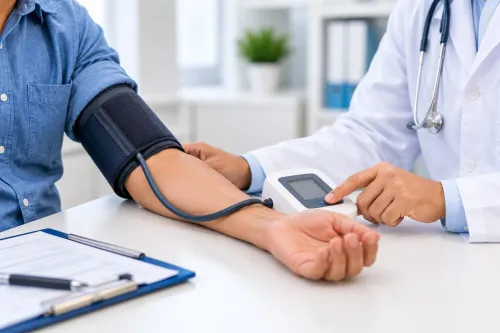
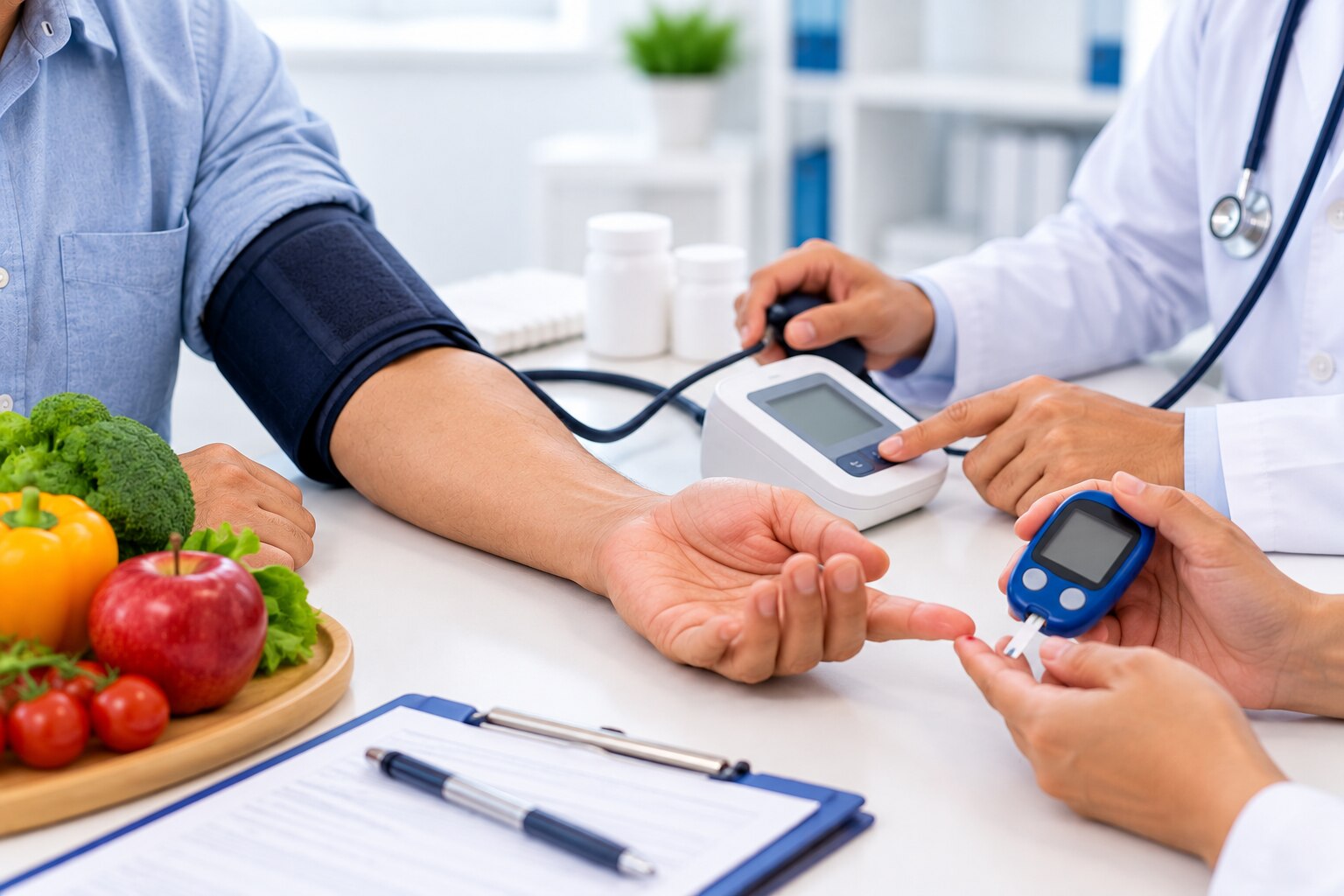
Use a validated upper-arm cuff for blood pressure measurement at home; wrist and finger devices are less reliable for routine assessment. Choose the correct cuff size, avoid caffeine, exercise, and smoking for 30 minutes beforehand, empty your bladder, and sit quietly for five minutes.
- Sit with your back supported, feet flat on the floor, and legs uncrossed. Support your bare arm at heart level, keep still, and do not talk.
- Take two readings one minute apart. Record both numbers, rather than only the lower result, and note the date and time.
- Check glucose with clean, dry hands and a meter used according to its instructions. Record whether the result was fasting, before a meal, or two hours after eating.
- Keep a glucose and blood pressure log containing readings, medicines and doses, meals that differed from usual, exercise, illness, and symptoms such as dizziness or sweating.
- Collect readings at consistent times for the period your clinician requests. Bring the log, meter, and medication list to appointments; repeated patterns are more useful than one unusually high or low result.
A single high reading does not establish chronic hypertension. Contact your clinician about repeated elevations, low readings, or symptoms so treatment decisions can account for technique, adherence, kidney function, and other medicines.
How Medicines, Food, Activity, and Sleep Affect Both Conditions
Medication adherence means taking every medicine at the prescribed dose and time, arranging refills before you run out, and checking before you skip or double a dose. Record missed doses, dizziness, swelling, or low-glucose symptoms. At each review, include prescriptions, over-the-counter products, vitamins, and supplements; do not stop treatment without medical advice.
If blood pressure stays above target after a change, arrange reassessment rather than leaving the regimen unchanged.
Daily habits that improve both conditions include:
- Follow a lower-sodium diet: limit packaged soups, salty snacks, processed meats, sauces, and restaurant food.
- Choose vegetables, beans, whole grains, and other higher-fibre carbohydrates in a DASH- or Mediterranean-style pattern.
- Complete at least 150 minutes of moderate-to-vigorous aerobic activity weekly across at least three days, plus resistance exercise when safe.
- Lose weight when appropriate, avoid excess alcohol, and keep a regular sleep schedule. Poor sleep can worsen insulin sensitivity and blood pressure.
| Medicine or product | How it can interfere | Safer step |
|---|---|---|
| Ibuprofen and diclofenac | Raise blood pressure, retain fluid, or strain kidneys | Ask before repeated use |
| Decongestants, corticosteroids, some oral contraceptives, and stimulants | Raise blood pressure or glucose | Review alternatives with a clinician |
| High-sodium products | Increase fluid retention and blood pressure | Check labels and choose lower-sodium options |
When to Seek Prompt Help and Organise Coordinated Follow-Up
Repeat a blood-pressure reading above 180/120 mmHg after five minutes of quiet rest, then contact a clinician promptly. Chest pain, shortness of breath, weakness or numbness, confusion, vision changes, or difficulty speaking makes it a possible hypertensive emergency: seek emergency care, not routine follow-up.
Severe hyperglycemia with vomiting, abdominal pain, deep or rapid breathing, dehydration, confusion, or inability to keep fluids down also requires urgent assessment.
| Situation | Action | Why |
|---|---|---|
| Blood pressure above 180/120 without warning symptoms | Recheck and contact your clinician promptly | Treatment may need timely adjustment |
| Blood pressure above 180/120 with neurological, breathing, vision, or chest symptoms | Call emergency services | This may be a hypertensive emergency |
| High glucose with vomiting, dehydration, confusion, or rapid breathing | Seek urgent medical assessment | These signs can indicate dangerous severe hyperglycemia |
- Bring a log of home readings, glucose results, medication doses, missed doses, symptoms, and supplements to each review. Do not double a missed dose or stop treatment without instructions.
- Ask for monthly blood-pressure follow-up after starting or changing medicine until control is achieved; review kidney function, potassium, dizziness on standing, and interacting drugs such as NSAIDs or decongestants.
- Arrange coordinated specialist care when diabetes, cardiovascular risk, kidney abnormalities, or difficult control overlap. At ALTIUZ HOSPITAL, ask whether diabetology and endocrinology and cardiac review can use the same results and medication list.
Related services
DIABETOLOGY & ENDOCHRINOLOGY What is Endocrinology? Endocrinology is the medical specialty that deals with the endocrine system — the glands that produce hormones. View service → |
CARDIAC/HEART HEALTH Cardiac (Heart) Health refers to the overall well-being and proper functioning of the heart and blood vessels — a vital part of your cardiovascular... View service → |
Frequently asked questions
Why do diabetes and high blood pressure need joint management?
Diabetes damages small blood vessels and nerves, while high blood pressure strains vessel walls. Together, they increase the risk of kidney disease, heart disease, stroke, vision loss, and nerve damage.
Which numbers should you track with your clinician?
Track your blood glucose readings, HbA1c, blood pressure, kidney tests such as urine albumin and creatinine, cholesterol, body weight, and medication effects.
How should you measure blood pressure at home?
Avoid caffeine, exercise, and smoking for 30 minutes beforehand. Rest quietly for five minutes, use a validated upper-arm cuff, keep your arm at heart level, and record two readings one minute apart.
When should you seek prompt medical help?
Seek urgent help for chest pain, severe breathlessness, fainting, confusion, new weakness, trouble speaking, or sudden vision loss. Contact your clinician promptly for repeated unusual readings or medication side effects.