
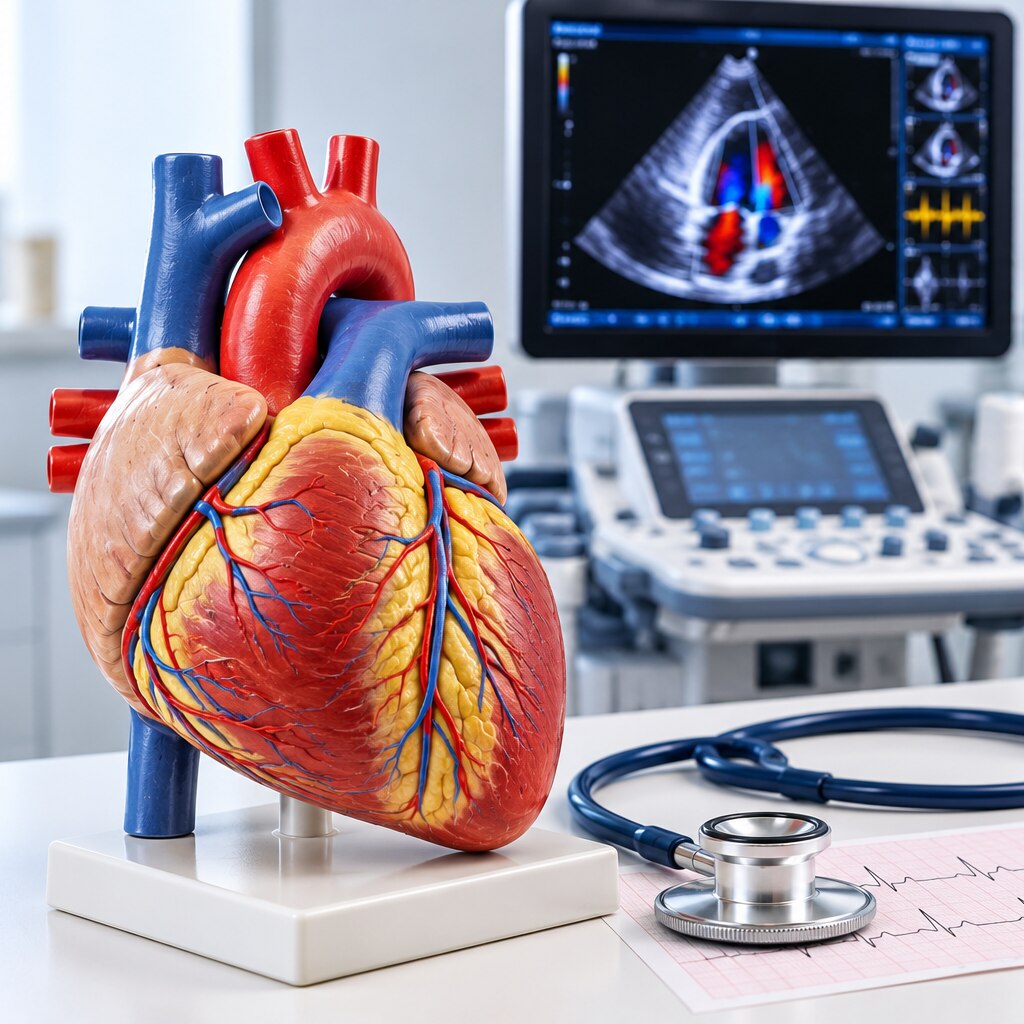
Choosing a cardiology service involves more than finding a doctor for chest discomfort. You need to know which tests answer your clinical question, when symptoms require emergency treatment, and whether the provider can coordinate procedures, surgery, rehabilitation and long-term follow-up. By the end, you will have a practical way to compare services and choose the right level of care.
Key takeaways
- A normal ECG does not rule out heart failure or other serious heart conditions.
- Call emergency services for chest pressure, severe breathlessness, fainting or sudden weakness.
- Match each cardiac test to the question your doctor needs answered.
- Choose care that includes diagnosis, treatment, monitoring, rehabilitation and follow-up.
What a Complete Cardiology Service Should Include
Beyond a cardiology consultation, a complete cardiology service should connect prevention, diagnosis, treatment, monitoring and recovery. A single normal ECG or reported ejection fraction does not rule out heart failure; symptoms can be significant even when ejection fraction is 50% or higher.
- Blood-pressure assessment uses repeated, properly performed readings, with home or ambulatory monitoring when needed. This can reveal white-coat hypertension and masked hypertension.
- Cardiovascular risk assessment combines age, smoking, diabetes, kidney disease, lipid profile, blood pressure and previous cardiovascular disease, then supports an agreed lifestyle and medication plan. Low short-term risk can still conceal high lifetime risk in a younger adult.
- Testing matches the question: ECG, echocardiogram, stress testing, laboratory tests, cardiac imaging, catheterisation and rhythm monitoring. A 12-lead ECG can miss intermittent arrhythmia, so Holter, patch, event or loop monitoring must match symptom frequency.
- Follow-up reviews breathlessness, congestion, weight, blood pressure, kidney function, electrolytes and medication doses rather than relying only on repeat imaging.
- Cardiac rehabilitation combines exercise training, nutrition, medication education, psychosocial support and risk-factor management after a heart attack, revascularisation or suitable heart-failure diagnosis.
Ask who reviews abnormal results, adjusts treatment, coordinates procedures and provides rehabilitation. Without that handoff, testing can produce information without a usable care plan.
When Cardiac Symptoms Need Emergency Care
Call emergency services rather than booking a routine appointment when symptoms are new, severe, sudden, or worsening. Chest pressure or pain lasting more than a few minutes, breathlessness at rest, or fainting can signal a heart attack, dangerous rhythm, or another life-threatening problem.
Seek emergency treatment immediately if you have:
- Chest pressure, tightness, or pain spreading to an arm, shoulder, back, neck, or jaw
- Severe breathlessness, especially with chest discomfort, blue lips, or inability to speak normally
- Fainting, near-fainting, sudden weakness, confusion, or collapse
- Palpitations with chest pain, breathlessness, fainting, or marked dizziness
- Sudden sweating, nausea, or a cold, clammy feeling alongside chest symptoms
Do not wait for classic crushing pain. Women, older adults, and people with diabetes can have heart attacks with breathlessness, unusual fatigue, nausea, back pain, or fainting instead. Use an ambulance when possible; emergency crews can begin assessment during transport, while driving yourself delays care and creates risk.
Book a cardiology appointment for recurring but brief symptoms that stop with rest and have no warning signs, such as predictable exertional breathlessness or isolated palpitations. Arrange prompt review if they are becoming more frequent. If symptoms return, intensify, or occur with fainting or chest pressure, switch from outpatient care to emergency evaluation.
A suspected heart attack needs triage and time-critical treatment at a catheterisation-capable hospital, not a scheduled consultation.
Which Cardiac Test Answers Which Question?
A first cardiology appointment usually starts with your symptoms, medical history, medicines, family history, smoking status and exercise pattern. The clinician checks your pulse, heart sounds, blood pressure and risk factors, then chooses tests for a specific question rather than ordering a fixed package.
Blood pressure often needs repeated office readings or home or ambulatory monitoring.
| Test | Question it answers | What to expect |
|---|---|---|
| Electrocardiogram ECG | Is there an abnormal rhythm, conduction problem or sign of heart injury? | Sticky electrodes record the heart’s electrical activity for a few minutes. |
| Echocardiogram | Are the chambers, valves, wall motion and pumping function abnormal? | A transthoracic scan uses a probe on the chest; a transesophageal scan gives closer views but requires preparation and monitoring. |
| Holter monitoring | Does an intermittent rhythm problem occur during daily life? | A wearable recorder tracks continuously, often for 24–48 hours; longer patch or event monitoring suits less frequent symptoms. |
| Stress testing | Does exertion trigger reduced blood flow or an abnormal rhythm? | You exercise, or receive medicine that raises cardiac workload, while ECG or imaging records the response. |
| Coronary CT angiography | Is there narrowing or plaque in the coronary arteries? | CT creates anatomical images; contrast and radiation exposure must be weighed against the expected benefit. |
For suspected acute coronary syndrome, medical staff should obtain and interpret an ECG within 10 minutes of first contact. A normal first result does not exclude a heart attack; repeat ECGs and serial troponin blood tests may be necessary.
How to Compare Cardiologists, Specialists and Cardiac Facilities
Match the specialist to the decision you need made, not simply to the word “cardiology.”
| Option | Best fit | Check before choosing |
|---|---|---|
| General cardiologist | Chest discomfort, blood pressure, cholesterol, valve concerns, abnormal ECG, or an initial assessment | Can they arrange echocardiography, stress testing, laboratory work, and referral? |
| Interventional cardiologist | Blocked coronary arteries, angiography, stents, or suspected acute coronary syndrome | Is there rapid access to a catheterization laboratory and emergency transfer? |
| Electrophysiologist | Recurrent palpitations, fainting, atrial fibrillation, or other rhythm problems | Do they offer monitoring matched to symptom frequency, from Holter or patch monitors to an implantable loop recorder? |
| Cardiothoracic surgeon | Bypass surgery, valve surgery, aortic disease, or structural problems requiring an operation | Is there a multidisciplinary review with imaging, anesthesia, and postoperative care? |
| Cardiac rehabilitation team | Recovery after myocardial infarction, revascularization, or selected heart-failure cases | Does the programme include exercise, nutrition, medication adherence, psychological support, and risk-factor control? |
Choose an integrated cardiac facility when testing, specialist review and urgent treatment need to connect without repeated referrals. Ask whether it can obtain and interpret an ECG within 10 minutes of first medical contact, repeat ECGs and high-sensitivity troponin testing when suspicion persists, and transfer STEMI patients immediately to a catheterization-capable hospital.
When comparing ALTIUZ HOSPITAL or another provider, ask who coordinates your case after an abnormal result and where emergency procedures occur. An outpatient appointment cannot replace emergency evaluation for chest pressure, breathlessness, fainting, sweating, or pain spreading to the arm or jaw.
Related service
CARDIAC/HEART HEALTH Cardiac (Heart) Health refers to the overall well-being and proper functioning of the heart and blood vessels — a vital part of your cardiovascular... View service → |
What Follow-Up and Rehabilitation Complete the Care Pathway?
After a test, procedure, or hospital discharge, you need a named clinician, a result-based plan, and a review date—not a generic instruction to “follow up.”
1. Confirm the diagnosis, test results, pending reports, activity limits, wound care, and the next clinical decision. Ask which symptoms require emergency help and where to go.
2. Complete medication reconciliation before leaving. Compare your previous medicines with the discharge list, remove duplicates, confirm dose and timing, and learn which drugs require blood tests. Do not stop a prescribed antiplatelet, anticoagulant, or heart medicine without medical advice.
3. Arrange follow-up with the appropriate cardiologist and primary-care clinician. Heart-failure follow-up should check breathlessness, swelling, weight, blood pressure, kidney function, electrolytes, and congestion, then optimise treatment through staged dose increases and clinical or laboratory review.
4. Enrol in cardiac rehabilitation after myocardial infarction, coronary revascularisation, or eligible heart failure. The programme combines monitored exercise with nutrition advice, medication adherence, risk-factor control, education, and psychosocial support.
5. Ensure the hospital sends the discharge summary, ECGs, imaging, procedure details, medication changes, and appointments to every clinician involved. This communication is the working foundation of multidisciplinary cardiac care.
A coordinated pathway catches treatment omissions and duplicate medicines before they cause harm. If new chest pressure, severe breathlessness, fainting, or rapidly worsening symptoms develop, use emergency services; suspected ST-elevation myocardial infarction requires immediate transfer to a catheterisation-capable hospital, not an outpatient appointment.
Frequently asked questions
What should a complete cardiology service include?
Complete care connects prevention, diagnosis, treatment, monitoring, rehabilitation and follow-up rather than stopping at a consultation.
When do cardiac symptoms need emergency care?
Seek emergency care for chest pressure or pain, severe breathlessness, fainting, sudden weakness, or symptoms that suggest a heart attack or stroke.
Which cardiac test answers which question?
An ECG records the heart’s electrical activity, an echocardiogram assesses structure and pumping function, stress testing evaluates the heart under exertion, and imaging or blood tests answer more specific clinical questions.
How should you compare cardiologists and cardiac facilities?
Compare the specialist’s experience with your condition, access to emergency and diagnostic services, treatment coordination, monitoring, rehabilitation and follow-up arrangements.
What follow-up and rehabilitation complete cardiac care?
Follow-up reviews symptoms, medicines, blood pressure and test results; rehabilitation adds supervised activity, risk-factor management, education and a safe return to daily life.