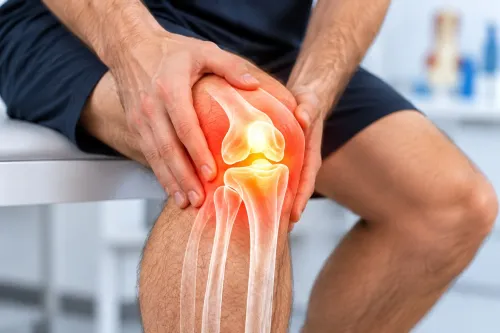

Joint pain can affect walking, working, sleeping and completing routine activities. While mild discomfort after physical activity may settle with rest, persistent pain, swelling, stiffness and restricted movement may require an orthopaedic evaluation.
Finding the best orthopaedic doctor in Malad West begins with understanding the condition, the available diagnostic facilities and the type of treatment required. The right medical assessment can help distinguish a temporary strain from a fracture, ligament injury, arthritis-related problem or spinal condition.
Conditions Treated by an Orthopaedic Doctor
Orthopaedic care covers conditions affecting the bones, joints, muscles, ligaments, tendons and spine. Patients commonly seek an evaluation for:
- Knee pain and stiffness
- Shoulder pain with restricted movement
- Neck pain and lower back pain
- Sports-related injuries
- Sprains and ligament injuries
- Fractures and dislocations
- Hip pain and walking difficulty
- Arthritis and age-related joint changes
- Numbness or weakness associated with spinal problems
- Pain following a fall or road accident
The symptoms may develop suddenly after an injury or gradually due to ageing, repetitive activity, posture and underlying health conditions.
Signs That Need Medical Evaluation
Occasional joint discomfort does not always indicate a serious condition. However, an orthopaedic consultation may be appropriate when pain continues for several days, keeps returning or interferes with normal movement.
Seek timely medical attention if you notice:
- Swelling, redness or warmth around a joint
- Difficulty placing weight on the affected leg
- Inability to lift or rotate the arm comfortably
- Joint locking, instability or repeated giving way
- Tingling, numbness or weakness in a limb
- Pain that becomes worse at night
- Visible deformity following an injury
- Loss of movement after a fall
Severe pain, an open wound over a fracture, loss of sensation or inability to stand after an accident needs prompt hospital-based care.
What Happens During the Consultation
The doctor generally asks when the symptoms began, what makes them worse and whether there was a recent injury. Previous medical conditions, occupation, exercise habits and current medicines may also be discussed.
The physical examination may include an assessment of joint movement, muscle strength, walking pattern, tenderness and stability. An X-ray, MRI, CT scan, ultrasound or blood test may be recommended when clinically necessary. Not every patient requires advanced imaging.
Altiuz Multispeciality Hospital provides orthopaedic evaluation in Malad West within a multispeciality healthcare setting. This can be useful for patients whose bone and joint concerns are connected with diabetes, heart conditions, age-related health changes or previous surgery.
Orthopaedic Treatment May Include Several Approaches
An orthopaedic consultation does not automatically lead to surgery. Depending on the diagnosis, treatment may involve prescribed medication, temporary activity changes, physiotherapy, posture correction, supportive devices and follow-up monitoring.
Surgery may be considered when there is a serious fracture, significant structural damage, persistent joint instability or limited improvement with non-surgical management. The decision should account for the patient’s overall health and the effect of the condition on daily life.
Carry previous prescriptions, scans and medical reports to the consultation. Clear information about when the pain started and how it affects movement can support a more focused assessment.
The best orthopaedic doctor in Malad West for an individual patient is one who examines the condition carefully, explains the diagnosis clearly and develops a treatment plan suited to the patient’s health and mobility needs.
Keywords